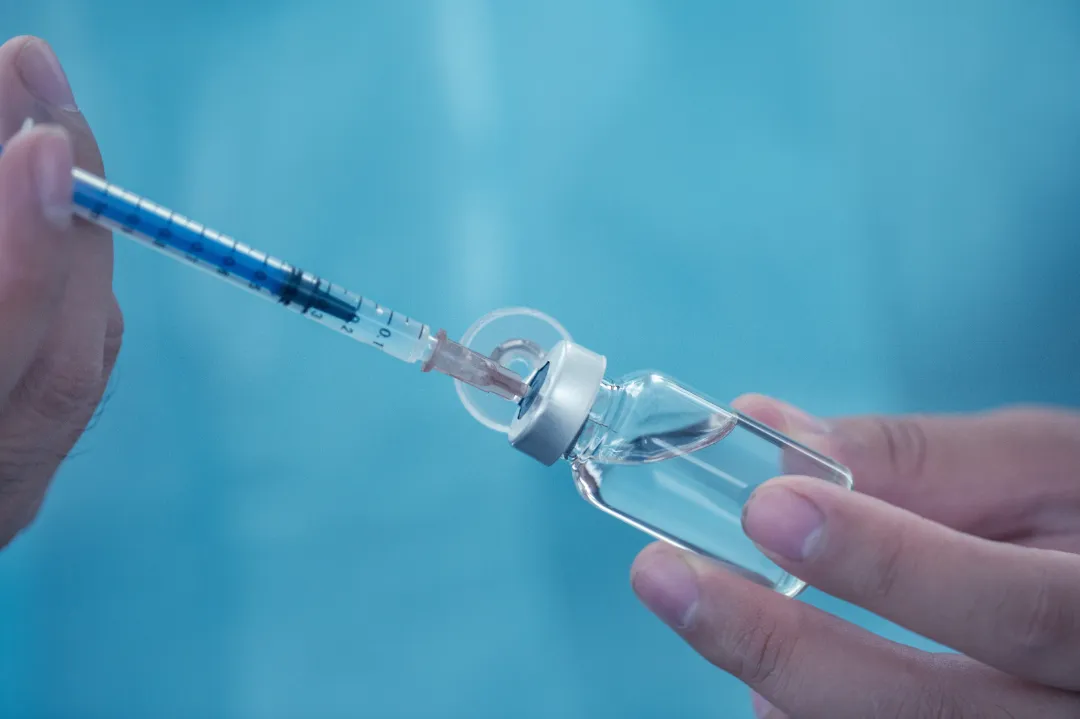
As the weather turns colder, viruses make their rounds again — and one of them takes aim at the very youngest babies. It is called respiratory syncytial virus, or RSV. Here is what it is, how to recognise it, and how families can protect an infant.
What is RSV?
RSV is a common respiratory virus and one of the leading causes of acute lower respiratory infection in children under five worldwide. Most children have been infected with RSV by the age of two, and an infection does not give lasting immunity — so repeat infections can happen.
RSV spreads mainly through respiratory droplets and close contact, and can also spread indirectly through contact with contaminated secretions or surfaces. It passes easily in crowded, poorly ventilated settings, which is why cases climb in the colder months when indoor air exchange is poorer.
Symptoms of RSV
Symptoms resemble those of other respiratory illnesses: cough, a blocked or runny nose, fever, sore throat and sneezing. They usually appear two to three days after infection, and for most people clear within one to two weeks.
A small proportion of children develop a lower respiratory infection such as bronchiolitis or pneumonia — most often very young infants. Warning signs include feeding difficulty, restless sleep, rapid breathing and wheezing.
This is why RSV infection is one of the leading reasons infants are admitted to hospital. In a few cases, airway injury can leave longer-term problems such as reduced lung function, recurrent wheezing, or even asthma.
Everyday prevention
The same household measures that help against other respiratory infections also help against RSV:
- Breastfeeding is encouraged for at least the first six months.
- Improve ventilation at home during the RSV season.
- Avoid crowded, poorly ventilated public places, and wear a mask when needed.
- Wash hands often, especially when a high-risk infant is exposed to older children or adults who have a respiratory infection.
- Practise good cough hygiene.
Monoclonal antibody protection
At present there is no RSV vaccine approved for use in infants. China has approved an RSV monoclonal antibody that protects babies through passive immunity. It recognises and binds to the F protein on the surface of the virus, so the virus cannot enter human cells — especially lung cells — which helps prevent infection.
When should the RSV monoclonal antibody be given?
The World Health Organization recommends that babies born during the RSV season can receive it at birth. For babies under one year who were born before the season, the best time is just before the RSV season begins — and it can be given at any point during the season.
Recommended dose
- Body weight under 5 kg: recommended dose 50 mg.
- Body weight 5 kg or above: recommended dose 100 mg.
RSV monoclonal antibody is a preventive measure, not a treatment for an active infection. Ask your paediatrician whether it is right for your baby, and when.
Arrange RSV protection for your baby
Our international patient team can help you book RSV monoclonal antibody protection at a New Century Healthcare campus and advise on the best timing around your travel plans.
This article is for health education only and does not replace medical advice. Please consult your paediatrician about your child's individual needs.